The biggest commitment I’ve ever made in my life is raising my kids. In Igbo tradition, we have something known as Omugwo — which means that when you have a child, your mom comes to help you during that very precious time.
In my case, my mom and dad both came for three months. My mom did not understand the concept of daycare when the baby was only 2–12 months old. So she said, “Let me take this child back to Nigeria.” I braved it, joined my parents, traveled back to Nigeria, and left my daughter with my mom.
She stayed there for six months, and during that time I recalibrated what it means to be a mom. When my daughter came back — just before she turned one year old — she was chubby, healthy, and clearly well taken care of. She was nurtured.
My experience of raising a Black child in the earliest stages is like every parent’s experience — relying on family and making sure that first and foremost, the child knows they are loved and provided for.
The First Wake-Up Call
I had my first wake-up call when my daughter was four years old. We were living in South Hill, Virginia, and she was in preschool.
One day I came to pick her up and noticed something in each of the kids’ cubbies — except my daughter’s. I asked the teacher about it, and she was sheepish and hesitant to respond. So I grabbed the note from the cubby next to my daughter’s.
It was a birthday invitation.
My daughter was one of two Black kids in her class. Neither received an invitation.
A Legacy of Value
My dad, who studied in the U.S. and started his family here before relocating to Nigeria, never talked to us about racism. But he told us one thing:
“When you go back abroad — to the ‘white man’s land’ — remember something: Know your value and bring value. If you bring value, people will know and say your name.”
That has been my focus ever since. It is a legacy of value I’ve now passed on to my own children.
That preschool experience would not be my daughter’s last encounter with racism in education. But I taught her — and my other two children — to focus on purpose. Purpose defines value. And when you know your value, you find fulfillment.
Three Things I Asked My Daughter to Consider
1. Define Your Standards
First, I asked my daughter to define her standards for the people she wanted to spend time with.
Who are the kind of people you want to be around?
Do you have specific standards?
What are they?
Which of these standards are non-negotiable?
I wrote down her answers and told her:
“Walk around with that list in your mind. When someone engages with you, ask yourself — do they check number one, two, three, or four?”
You may not find someone who checks every box. But some boxes must be checked. Because in defining your standards, you define yourself.
If you don’t stand for something, you’ll fall for anything. The real work is knowing oneself.
2. Build an Advisory Council
Second, I told her to establish her own advisory council. Even CEOs of major corporations have advisors. Ideas are stronger when vetted by trusted people.
An advisory council should include:
Two adults (one older, one younger)
A peer
Someone younger
A blend of family and teachers
Once she chose her council, I encouraged her to ask questions and seek feedback. She may still reach the same decision — but now it would be informed, refined, and strengthened.
The world is not meant to be navigated alone. But relationships must be built strategically.
3. Choose Close Friends and Partners Carefully
Finally, I told her that choosing a close friend or partner is serious. It does not happen in isolation. Families connect. Relationships form.
Return to your standards list. Make sure the foundations are covered. Most importantly, ensure that person has purpose.
Purpose alignment matters. Your purpose should intersect meaningfully with theirs.
The Birthday Story — Rewritten
I cannot control the effects of racism my children may encounter. But I can teach them to know their value — and to use that value to create impact and solutions.
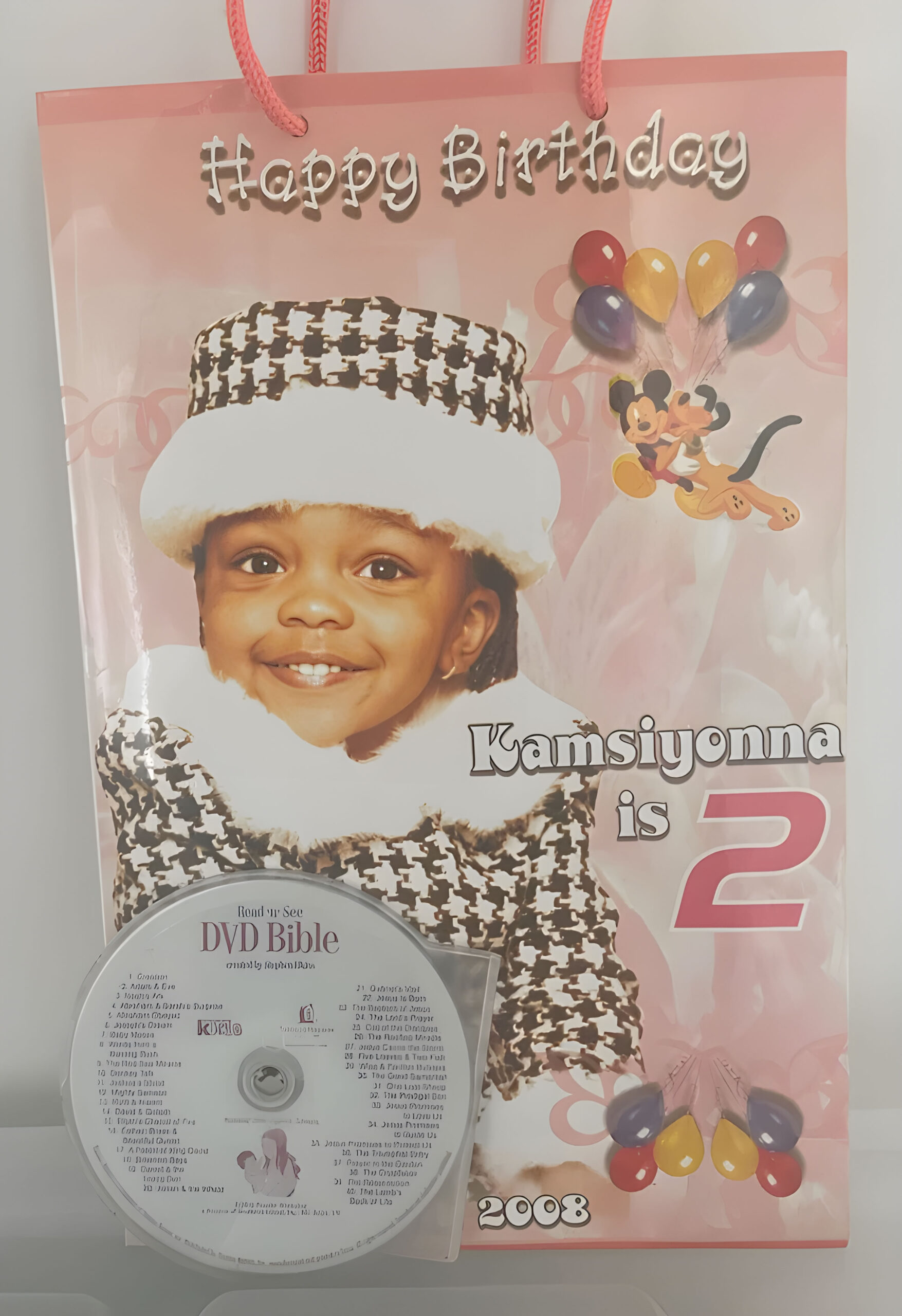
So when it was time for my daughter’s birthday party, I made sure her preschool experience would not be defined by exclusion.
I made it big. I made it loud. And everybody was invited.